-
 Music lives in Center City, Philadelphia, home of Play On, Philly!, a program modeled after Venezuela’s El Sistema, in which underserved children are…
 -
 In a quaint, historic building on Philadelphia’s Locust Street, just a few doors down from the Curtis Institute of Music, David Michie restores and sells…
 -
 The Pennsylvania Association of Broadcasters presented WRTI with two awards on May 5th at their annual luncheon. Senior Arts and Culture Producer Susan…
 -
 As we approach the darkest days of winter, we now take a look ahead to the future dog days of summer as WRTI's Jim Cotter takes us down the shore, where…
 -
 Few smallish New Jersey towns have major orchestras, choruses and chamber music performances. But music lives in Princeton: and in many guises, as the…
 -
 Music lives at Westminster Choir College at Rider University in Princeton, New Jersey. As WRTI's Jim Cotter reports, the college's Westminster Symphonic…
 -
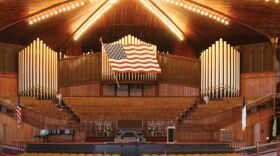 Music lives in Ocean Grove, NJ. Where else could you come in from the beach and hear an organ recital during the day, and opera arias at night? No wonder…
 -
 The artistry and athleticism of the ballet dancer can soar with a well-fitting pointe shoe. On a given weekend, members of three generations of the…
 -
 There's music on South Broad Street - and not just in concert halls. As WRTI’s Susan Lewis reports, the Wilma Theater is home to BalletX, a company that…
 -
 Music lives in West Philadelphia, where diverse audiences experience classical music and more in an intimate setting. WRTI’s Susan Lewis investigates…

© 2026 WRTI
Your Classical and Jazz Source
Play Live Radio
Next Up:
0:00
0:00
Available On Air Stations


